The First-Night Effect: Why You Struggle to Sleep in a New Place
The first-night effect is a phenomenon where people experience difficulty sleeping in a new environment, often due to evolutionary adaptations that keep the brain vigilant in unfamiliar surroundings. Sleep specialists attribute this effect to the brain's natural response to potential threats, which can be exacerbated by anxiety and other factors.
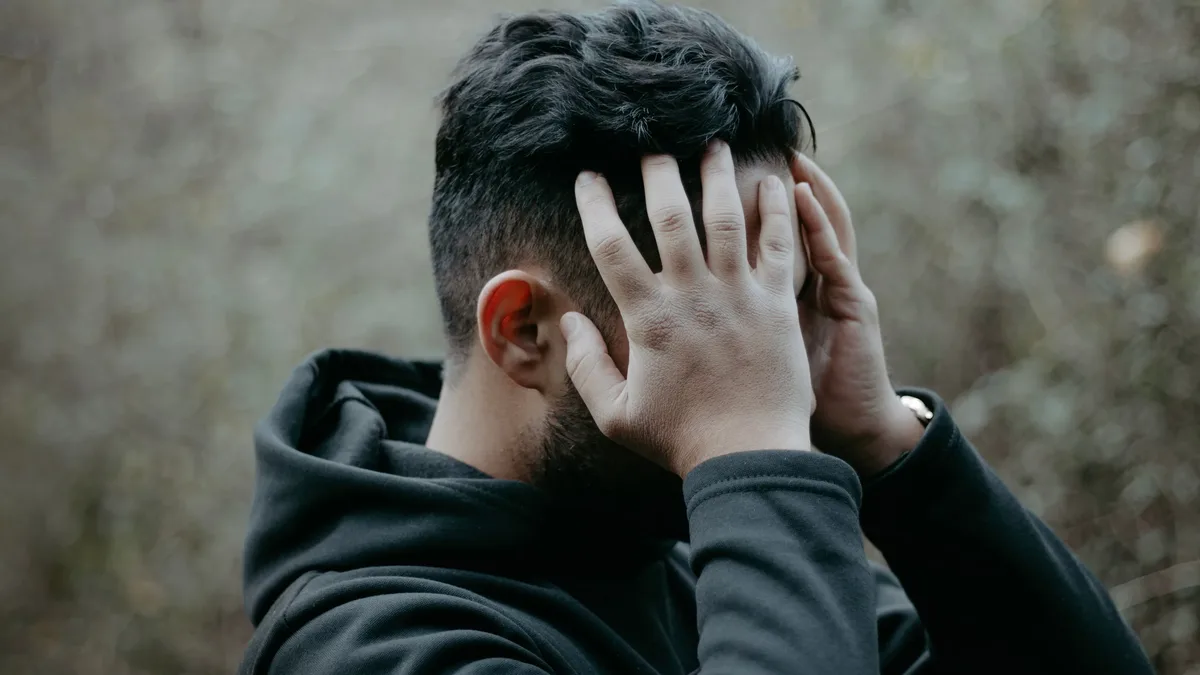
Sleeping in a new place can be a challenging experience for many people. According to sleep specialists, this phenomenon is known as the first-night effect. It is characterized by difficulty falling asleep, frequent waking during the night, and reduced overall sleep quality. The first-night effect is believed to have evolutionary roots, with sleep specialists suggesting that it is an adaptation response to unfamiliar environments. In other words, the brain remains vigilant in a new place to ensure the individual's safety. This theory is supported by studies that have shown the frontal lobe, an area associated with deep sleep, is more active in new environments. Research has also found that the first-night effect is more pronounced in certain groups, including children, adolescents, and older adults. Those in their 20s are the least affected. Sleep specialists attribute this to the brain's natural response to potential threats, which can be exacerbated by anxiety and other factors. Anxiety can play a significant role in the first-night effect, with sleep specialists suggesting that it can create a self-fulfilling prophecy. People who are more anxious at baseline are more likely to experience difficulty sleeping in a new place, which can further exacerbate their anxiety. So, how can you sleep better on the first night in a new place? Sleep specialists recommend practicing general sleep hygiene practices, such as going to sleep in a cool, dark room at the same time every night, following a nighttime routine, and turning off screens well before bedtime. They also suggest making the environment feel more familiar by spending extra time in the new bed, reading, or engaging in other peaceful activities. For individuals who are particularly anxious, sleep specialists recommend visualizing themselves in a safe, familiar environment, such as a favorite hike or beach. This can help lower feelings of hypervigilance and promote relaxation. While the first-night effect can be challenging, sleep specialists reassure that it is not a cause for concern. People can easily make up for missing an hour or two of sleep for one night. However, if you have an important meeting or event, it is recommended to arrive a day early to acclimate and sleep better. In conclusion, the first-night effect is a common phenomenon that can be attributed to evolutionary adaptations and anxiety. By practicing good sleep hygiene and making the environment feel more familiar, individuals can improve their sleep quality on the first night in a new place.