Anxiety
This page is reference information compiled from the cited sources. It is not medical advice. For any decision about health, diagnosis or care, consult a qualified professional.
What it is
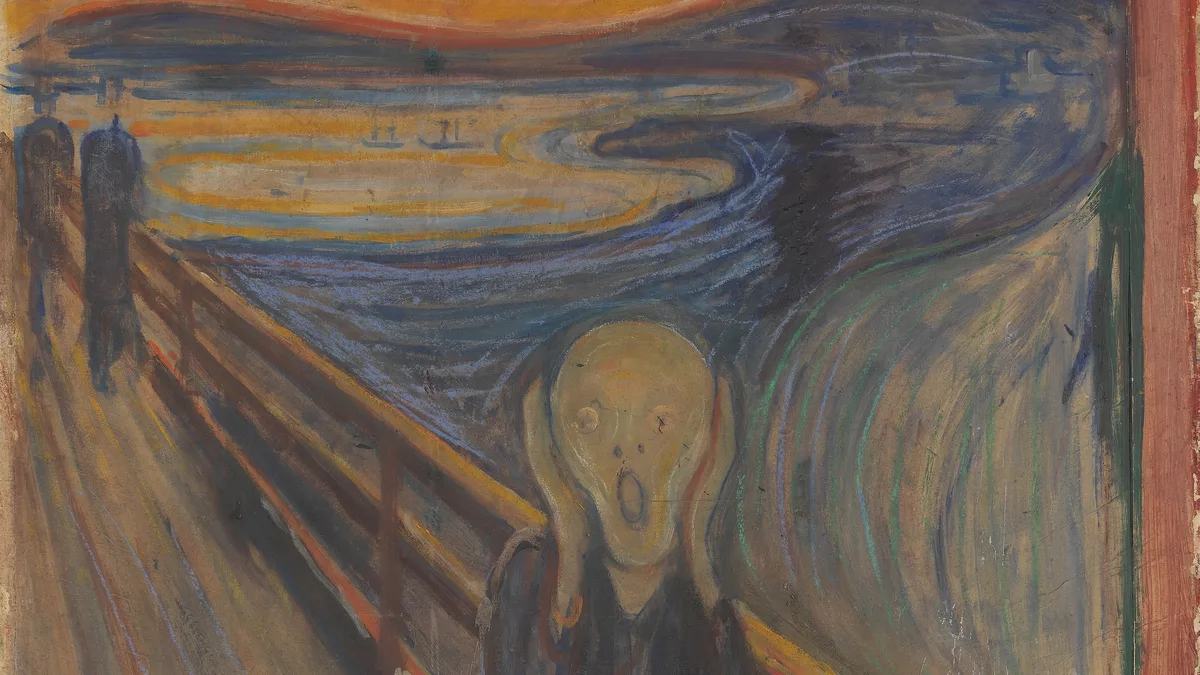
Anxiety is an emotion characterized by an unpleasant state of inner turmoil and includes feelings of dread over anticipated events. It is different from fear, which is an emotional response to a present threat, whereas anxiety involves the anticipation of a future threat. Anxiety often comes with nervous behavior such as pacing, somatic complaints, and rumination. It is a feeling of uneasiness and worry, usually generalized and unfocused, and can be overreaction to a situation that is only subjectively seen as menacing. Anxiety is often accompanied by physical symptoms such as muscular tension, restlessness, fatigue, difficulty breathing, abdominal discomfort, nausea, and problems in concentration.
Key facts
Anxiety is a future-oriented mood state in which one is not ready or prepared to attempt to cope with upcoming negative events. It can be experienced in long, drawn-out daily symptoms that reduce quality of life, known as chronic anxiety, or in short spurts with sporadic, stressful panic attacks, known as acute anxiety. Symptoms of anxiety can range in number, intensity, and frequency, depending on the person. Anxiety can induce several psychological pains or mental disorders, and may lead to self-harm or suicide. The behavioral effects of anxiety may include withdrawal from situations that have provoked anxiety or negative feelings in the past. Other effects may include changes in sleeping patterns, changes in habits, an increase or decrease in food intake, and increased motor tension (such as foot tapping). The emotional effects of anxiety may include feelings of apprehension or dread, trouble concentrating, feeling tense or jumpy, anticipating the worst, irritability, restlessness, watching for signs of danger, and a feeling of emptiness. The cognitive effects of anxiety may include thoughts about suspected dangers, such as an irrational fear of dying or having a heart attack, when in reality, all one is experiencing is mild chest pain. The physiological symptoms of anxiety may include neurological, digestive, respiratory, cardiac, muscular, cutaneous, and uros-genital symptoms.
When to seek professional help
When anxiety is excessive or persistent for approximately 6 months or even during shorter time periods in children, it may indicate an anxiety disorder. Anxiety disorders are among the most persistent mental problems and often last decades.
Source: Anxiety (CC BY-SA 4.0 (Wikipedia)), retrieved 2026-08-27.
Latest reporting

Plant Watering Lowers Blood Pressure and Anxiety in Older
A 10-minute indoor plant-watering session significantly reduced blood pressure and anxiety in older women compared to playing a computer game...
Hormone Therapy Eases Severe Menopause Mood Symptoms
An observational study found menopausal hormone therapy significantly improved psychological symptoms like depression and anxiety, with severe...

The First-Night Effect: Why You Struggle to Sleep in a New Place
The first-night effect is a phenomenon where people experience difficulty sleeping in a new environment, often due to evolutionary adaptations that...