AMA urges FDA to regulate botanical products like drugs
The American Medical Association has called on the FDA to apply the same rigorous scientific standards used for conventional drugs to botanical products like cannabis and kratom, citing a surge in poison control reports and a lack of evidence for safety and efficacy.
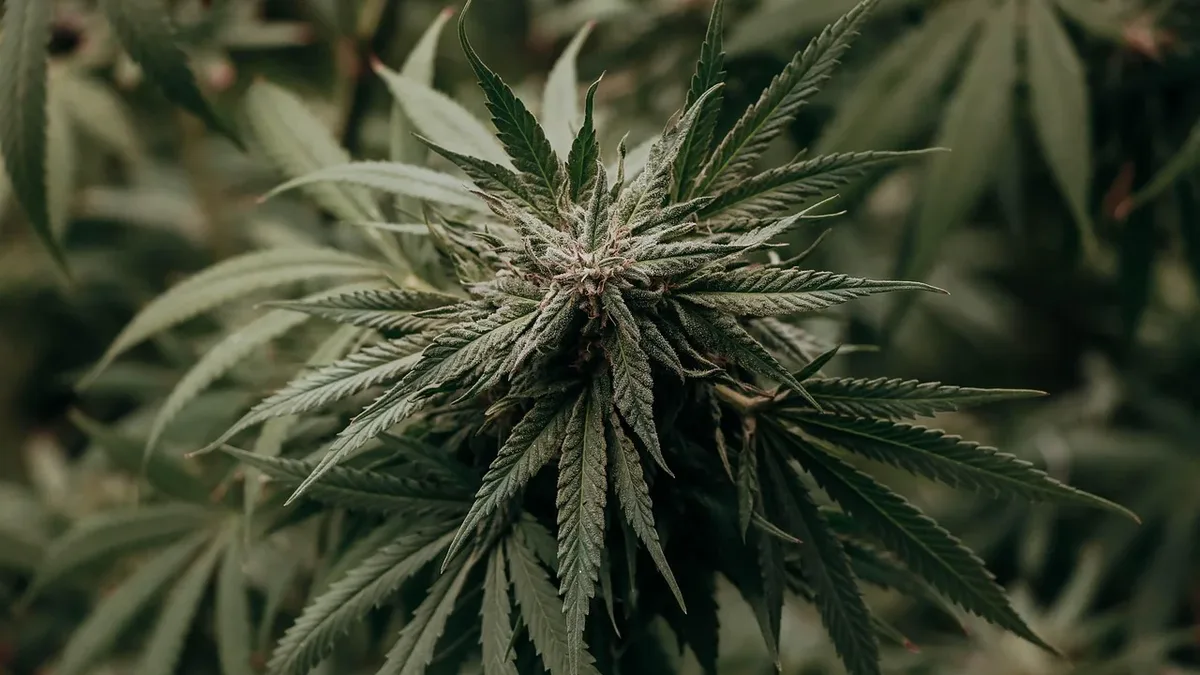
The American Medical Association has formally requested increased FDA oversight of botanical products, citing safety risks and lack of scientific evidence. The AMA sent a letter to the FDA urging more regulation, arguing that consumer popularity and social media hype should not replace clinical trials.
AMA CEO John J. Whyte noted the organization is deeply concerned about the widespread use of 'natural' products without research-based evidence. The AMA strongly recommends the FDA regulate these products and determine their efficacy through rigorous research. AMA President Willie Underwood III stated that calling something natural does not make it safe, emphasizing the need for science. The association supports innovation but urges extreme caution with products marketed outside the established scientific process.
Rising safety concerns with kratom and other botanicals
Poison control reports related to kratom exposure have increased dramatically. Kratom, a tropical tree from Southeast Asia, has been used to self-treat conditions including anxiety, depression, and pain.
Calls to poison control centers related to kratom exposure increased by 1,200% between 2015 and 2025. In response, the AMA supports legislative efforts to ban synthesized, purified, or derivative kratom products. Anita Gupta, a doctor and pharmacist, applauded the AMA's stance, describing the current period as historic for nonregulated products. She stated that natural is simply a marketing word, not a safety standard, and that any product potent enough to help is also potent enough to cause harm.
Gupta emphasized that botanicals can impact bleeding, blood pressure, and drug metabolism, and should be listed and treated as drugs. She argued for better standards to prove safety and efficacy for all ingested products.
FDA seeks public input on botanical product regulation
The FDA has opened a public comment period to gather information on developing and regulating complex botanical products. The agency acknowledges these products present distinctive research and regulatory difficulties due to their complexity and variability.
The aim is to gather practical information about advancing development, including barriers encountered by researchers and manufacturers. The published notice asks about clinical studies, economic and scientific challenges, and the differences between developing minimally purified and highly purified products. It seeks examples of approaches that could simplify development while preserving safety, efficacy, and quality.
Specific development issues discussed include batch-to-batch variability and reproducibility. The notice seeks feedback on quality standards and scientifically credible study designs for complex botanical mixtures. It invites discussion of methods rather than announcing a blanket shortcut around evaluation.
The FDA's background page describes botanical drug products as complex preparations derived from plant materials, algae, macroscopic fungi, or combinations intended for disease-related uses. It also identifies four botanical products previously approved through prescription-drug pathways.
Path forward for evidence and policy
The AMA wants adequate and well-controlled studies investigating cannabis and related cannabinoids, with sufficient funding, product supply, and placebo controls. It urges the FDA not to allow political interests to overrule scientific evidence.
The public can submit comments to docket FDA-2026-N-9550. The deadline for submissions is November 3. Electronic submissions are accepted until 11:59 p.m. Eastern Time that day, and paper submissions must be received by the deadline. The notice warns that ordinary electronic comments are posted publicly but provides a separate written process for information claimed as confidential. The FDA will review all public comments submitted by November 3 to inform its regulatory approach to botanical products.