Neurostimulation Offers New Circuit-Based Treatment in Psychiatry
A scientific review details how brain stimulation techniques like TMS and DBS are shifting psychiatric treatment toward directly targeting dysfunctional brain circuits.
Neurostimulation techniques are emerging as a novel therapeutic approach for psychiatric disorders, offering an alternative for patients who do not respond to standard medications or psychotherapy. According to a review published in the journal Molecular Psychiatry, these methods aim to directly modulate the abnormal brain circuits thought to underlie mental illness, representing a significant conceptual shift in the field.
Several non-invasive and invasive modalities have shown clinical promise. Repetitive transcranial magnetic stimulation (rTMS) has substantial evidence supporting its use for major depressive disorder (MDD), schizophrenia, obsessive-compulsive disorder (OCD), and post-traumatic stress disorder (PTSD). Transcranial direct current stimulation (tDCS) offers reproducible benefits as an adjunct treatment for MDD and the negative symptoms of schizophrenia. For more severe, treatment-resistant cases, deep brain stimulation (DBS) has produced robust effects, though it is limited by surgical risks.
The Circuit-Based Model of Mental Illness
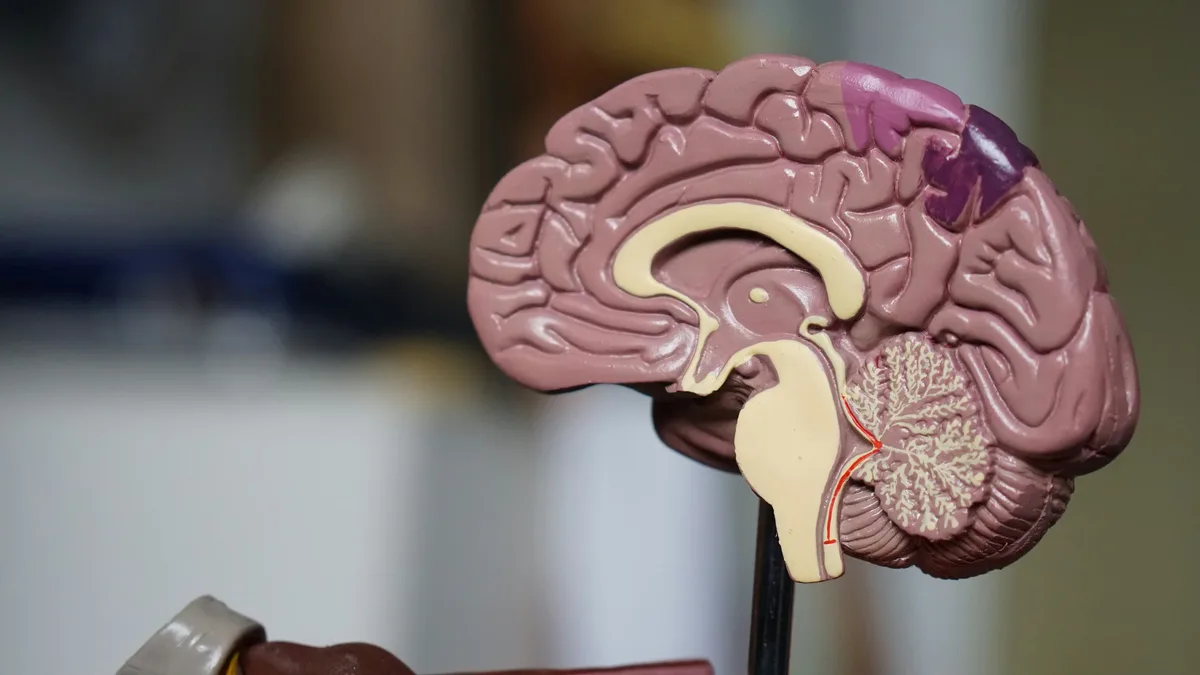
The foundation for these treatments is the growing understanding that psychiatric disorders are associated with specific, measurable abnormalities in brain networks. The review notes that conditions like MDD, OCD, bipolar disorder, and schizophrenia share overlapping patterns of structural change and altered brain activity. For instance, they commonly show grey matter loss in areas like the prefrontal cortex, hippocampus, and amygdala, as well as shared patterns of under-activation and over-activation in other regions.
This aligns with modern frameworks like the Research Domain Criteria (RDoC), which conceptualize mental illness along a continuum of brain circuit dysfunction. The core idea is that therapies which counteract these specific neural abnormalities can lead to symptom resolution. The review states that recovery in patients is often accompanied by a normalization of brain function not only in the directly stimulated area but across the broader associated network.
How Different Stimulation Techniques Work
Each neurostimulation modality operates differently to influence brain circuits. The techniques vary in their invasiveness, precision, and the depth of brain structures they can reach.
Despite their differences, all these methods share the goal of restoring abnormal neural activity toward a healthier, physiological range. The review emphasizes that while clinical efficacy is increasingly documented, the precise biological mechanisms-how transient stimulation leads to lasting change through neuroplasticity-remain only partially understood.
Challenges and Future Directions
Translating circuit-based models from neuroscience into routine clinical practice faces significant conceptual and methodological hurdles. A critical challenge is optimizing and individualizing stimulation targets, as brain networks can vary between patients. The application of highly invasive techniques like DBS is also constrained by scalability issues and the need for personalized surgical planning.
The review calls for a critical, integrative perspective on this change. It argues that neurostimulation is not merely a technical advance but a fundamental move away from interventions focused solely on neurotransmission or cognition. Instead, it champions a model where treatment directly addresses the dysfunctional wiring of the brain itself. The promise is a more mechanism-based therapeutic approach for conditions where conventional treatments often fall short.