CVS agrees to $315 million opioid dispensing settlement
CVS Pharmacy will pay $315 million to settle a 2024 Justice Department lawsuit alleging it unlawfully dispensed opioids, prioritizing profit over safety.
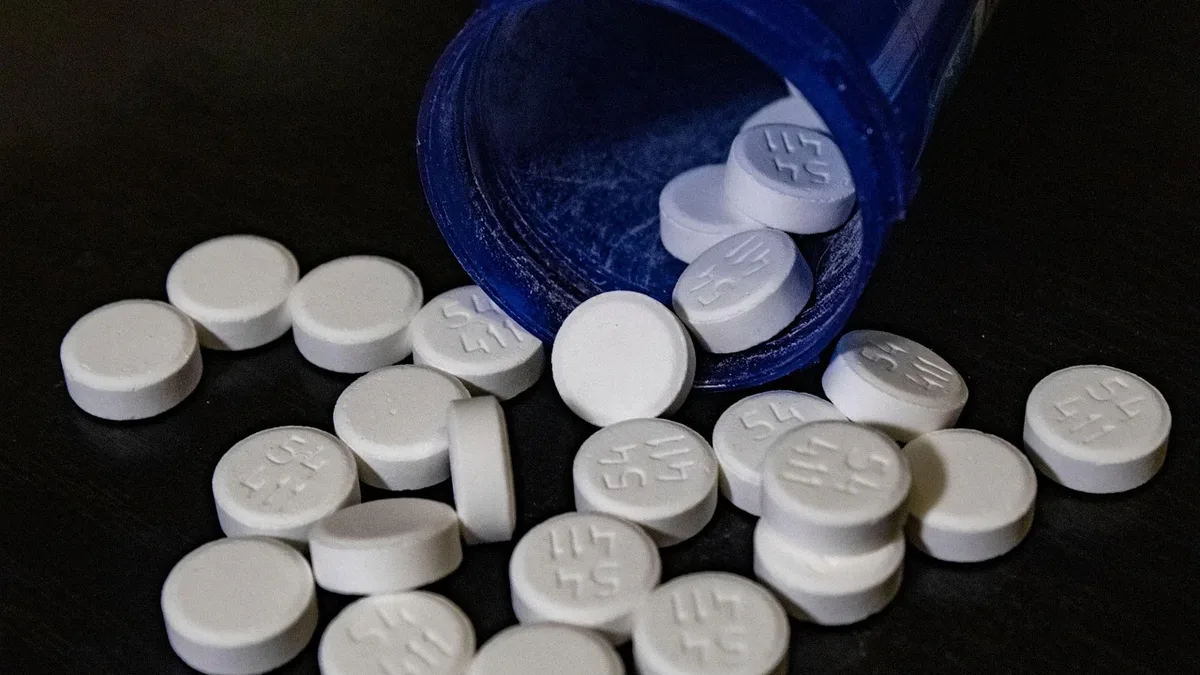
CVS Pharmacy and its subsidiaries have agreed to pay $315 million to resolve a Justice Department case brought in 2024. The federal lawsuit alleged CVS unlawfully dispensed medically unnecessary prescriptions of highly addictive opioids and other controlled substances, fueling a public health crisis.
The case accused the pharmacy chain of violating the Controlled Substances Act by filling illegitimate prescriptions for high doses of potent opioids that fed dependence and addiction. Prosecutors alleged CVS dispensed large quantities of opioids based on prescriptions from known 'pill mills.' The Justice Department cited prescriptions involving excessive quantities, early refills, and dangerous drug combinations, including so-called 'trinity' prescriptions that mix an opioid, a benzodiazepine, and a muscle relaxant.
According to the government, corporate performance metrics, incentive compensation, and staffing policies prioritized profits over patient safety. The lawsuit alleged poor staffing levels coupled with these policies led pharmacists to race to fill prescriptions without confirming legitimacy, despite warning signs or 'red flags.' CVS allegedly billed Medicare, Medicaid, and other federal health care programs for many of these prescriptions.
Government and company responses
Federal officials called the settlement a milestone in fighting the opioid epidemic. Associate Attorney General Stanley Woodward said the resolution is a significant step in that ongoing combat. Assistant Attorney General Brett Shumate, who leads the Justice Department's Civil Division, also commented on the terms.
CVS strongly disagreed with the claims and stated the settlement admits no wrongdoing. The company said its more than 27,000 pharmacists are trained in safe medication use and help keep America healthy. It pointed to implemented 'best-in-class' programs to aid pharmacist decisions. In 2024, CVS also argued that pharmacists were being held to "vague, undefined, and ever-changing standards of practice" when filling prescription opioids.
This federal settlement is part of a broader landscape. Over the last decade, drugmakers, wholesalers, pharmacies, and other companies have agreed to settlements with U.S. governments totaling over $50 billion, most intended to address the opioid crisis. The epidemic has been linked to more than 100,000 deaths in the U.S. in some years, though numbers have fallen sharply recently. CVS itself previously agreed to pay nearly $5 billion in 2022 to settle thousands of opioid-related claims brought by state, local, and tribal governments.
Terms and future safeguards
The financial penalty is accompanied by mandated operational changes. CVS entered into a separate agreement with the Drug Enforcement Administration requiring additional safeguards around controlled substances. Assistant Attorney General Brett Shumate said: "Under the settlement, CVS must also implement additional safeguards to ensure that prescriptions for opioids and other controlled substances are dispensed only when medically appropriate."
Specific requirements include establishing a hotline for employees and the public to report suspected illegal dispensing. The company must proactively monitor dispensing patterns at its pharmacies nationwide. It must also implement procedures to evaluate prescribers suspected of illegally prescribing controlled substances. CVS must implement these additional safeguards to ensure opioids and controlled substances are dispensed only when medically appropriate.