VR Training May Aid Childhood Myopia
A six-month study of 120 children found that virtual reality-based digital defocus vision training slowed the progression of nearsightedness when used
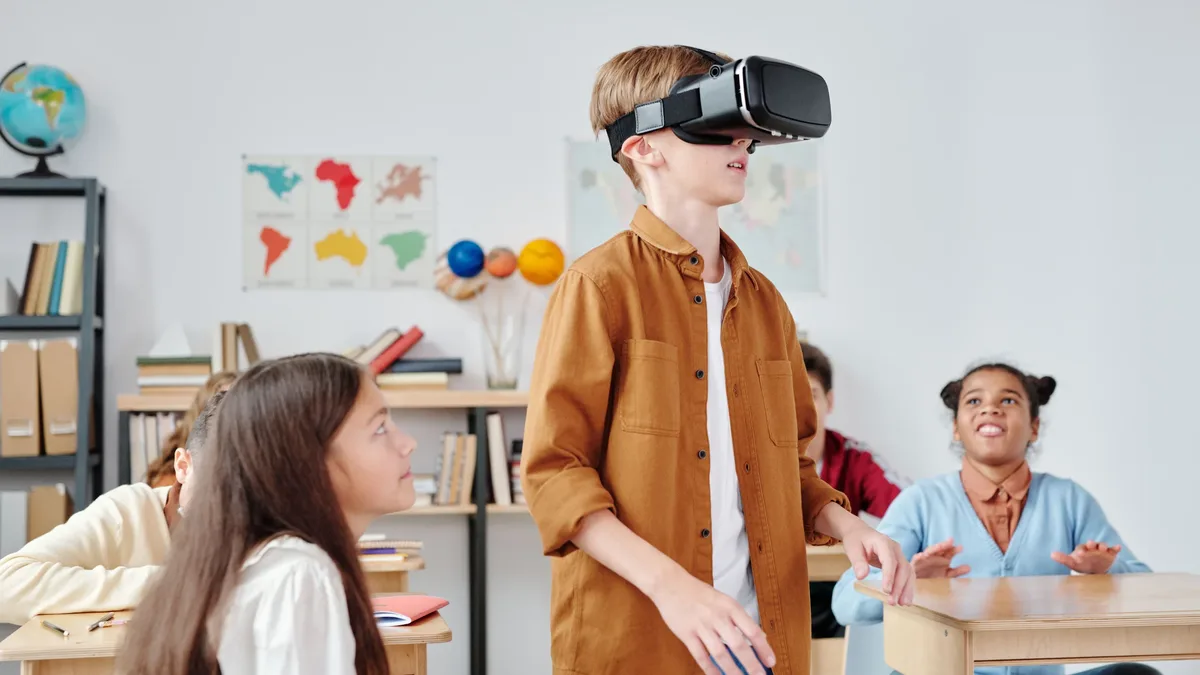
A new study suggests virtual reality-based digital defocus vision training could help slow nearsightedness in children. The research, published online on August 27, 2026, in JAMA Ophthalmology, found that a daily 15-minute VR training regimen reduced eye elongation and prescription worsening over six months.
Researchers from the Beijing Tongren Eye Center led by Jing Zhong, M.D., Ph.D., conducted the trial. They enrolled 120 children between the ages of 6 and 12. The participants were randomly split into two groups. One group used single-vision spectacles alone, the standard treatment. The other group used the same glasses plus a virtual reality-based digital defocus vision training program.
Study Design and Key Findings
The children in the training group used the VR system for 15 minutes each day. After six months, the researchers measured two key indicators of myopia progression: axial length and spherical equivalent refraction. Axial length is the distance from the front to the back of the eye; a longer eye is more nearsighted. Spherical equivalent refraction is a measure of the eye's focusing power.
The results showed clear differences between the two groups. The data is summarized in the table below.
| Measurement | DDVT + SVS Group | SVS Alone Group | Difference |
|---|---|---|---|
| Axial Length Change | +0.15 mm | +0.25 mm | 0.11 mm |
| Spherical Equivalent Refraction Change | -0.23 D | -0.46 D | -0.23 D |
| Visual Acuity Change (logMAR) | -0.02 logMAR (20/18) | +0.01 logMAR (20/20) | 0.03 logMAR (20/21) |
The table shows that eye elongation was slower in the training group. Their prescription also worsened less. Visual acuity, or sharpness of vision, showed a slight improvement in the training group and a slight decline in the glasses-only group.
Safety and Clinical Implications
Importantly, no training-related adverse events were reported during the study. The VR intervention appears safe for pediatric use over this period. The authors, however, urge caution in interpreting the long-term significance. They note the clinical relevance of these short-term differences cannot yet be fully determined.
In their conclusion, the researchers state the findings support additional studies. They call the approach a "promising adjunctive" method for controlling pediatric myopia. It is not presented as a standalone cure but as a potential add-on to existing corrective lenses.
The Role of Adjunctive Therapies
The study positions digital defocus vision training as a supplemental tool. The control group used single-vision spectacles, which correct blurry distance vision but do not actively slow myopia progression. The VR training aims to provide a therapeutic stimulus beyond simple correction.
The mechanism involves presenting controlled defocused images to the eye. This is thought to signal the eye to slow its excessive growth. The virtual reality platform allows for precise delivery of this visual stimulus in an engaging format for children.
The research was reported by HealthDay and reviewed by the editorial team at Science X. It carries the tags of fact-checked, peer-reviewed publication, and reputable news agency. While the results are encouraging, they represent an initial six-month snapshot. The path from promising adjunct to standard care requires longer and larger trials.