Plant Watering Lowers Blood Pressure and Anxiety in Older
A 10-minute indoor plant-watering session significantly reduced blood pressure and anxiety in older women compared to playing a computer game, according to
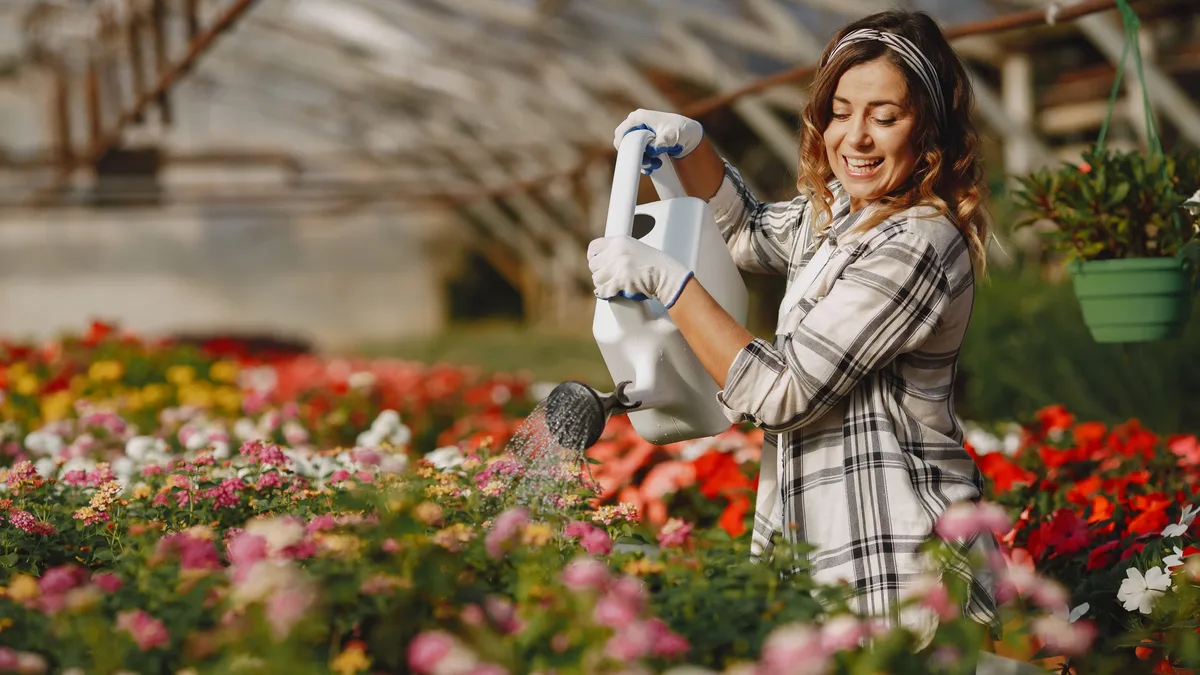
Watering indoor plants for 10 minutes lowered blood pressure and boosted feelings of relaxation in older women. A trial published in the Hong Kong Journal of Occupational Therapy found this simple gardening task provided measurable physical and mental health benefits that playing a computer card game did not.
Researchers Li Xiaoyi and Ahmad Hassan, with colleagues Jiang Tao and Zhang Deshun, designed a crossover experiment. They recruited 100 older women, average age 68, from a nursing care facility in Shanghai. All participants were in good physical health with no cognitive impairments.
The Experiment's Design
The trial took place in a quiet, controlled room. On the first day, half the group spent 10 minutes watering 15 small indoor potted plants by hand. The other half spent the same time playing Klondike Solitaire on a computer. The groups switched tasks the following day.
Before and after each session, researchers measured blood pressure. They also used an EEG headband to continuously record electrical brain activity from the frontal lobe. Participants completed surveys rating their anxiety and feelings of comfort.
Measurable Physical and Mental Benefits
The physiological data showed clear differences. Watering plants prompted immediate drops in both systolic and diastolic blood pressure. Playing the computer game did not produce these relaxing physical changes. Heart rate remained stable across both activities.
The brainwave data revealed a distinct state of alert relaxation during plant care. In the first few minutes, participants experienced a surge in alpha wave activity, linked to relaxation, alongside increased high beta wave activity, linked to attentiveness. The EEG's proprietary meditation score also rose notably during gardening.
Playing the computer game showed the opposite brainwave pattern. Decreased alpha and beta activity was recorded, a pattern often associated with mental fatigue or stress.
Subjective Reports Match Objective Data
The survey results aligned with the physical measurements. After tending to the plants, participants reported lower overall anxiety scores. They rated themselves as feeling much more comfortable, natural, and relaxed than they did after the computer game.
The study's authors note limitations. It tested only a single 10-minute session with one type of plant, and all participants were older women from one Chinese facility. The psychological and physical responses might differ across age groups, genders, and cultures.
Future trials with diverse populations are needed to clarify how broadly these benefits apply. The research highlights horticultural therapy as a potential non-pharmacological intervention for managing stress in older adults.