Trump Administration Asks Supreme Court to Block Transgender Care in Federal Prisons
The Trump administration has filed an emergency Supreme Court appeal to enforce a ban on gender-affirming medical treatments in federal prisons.
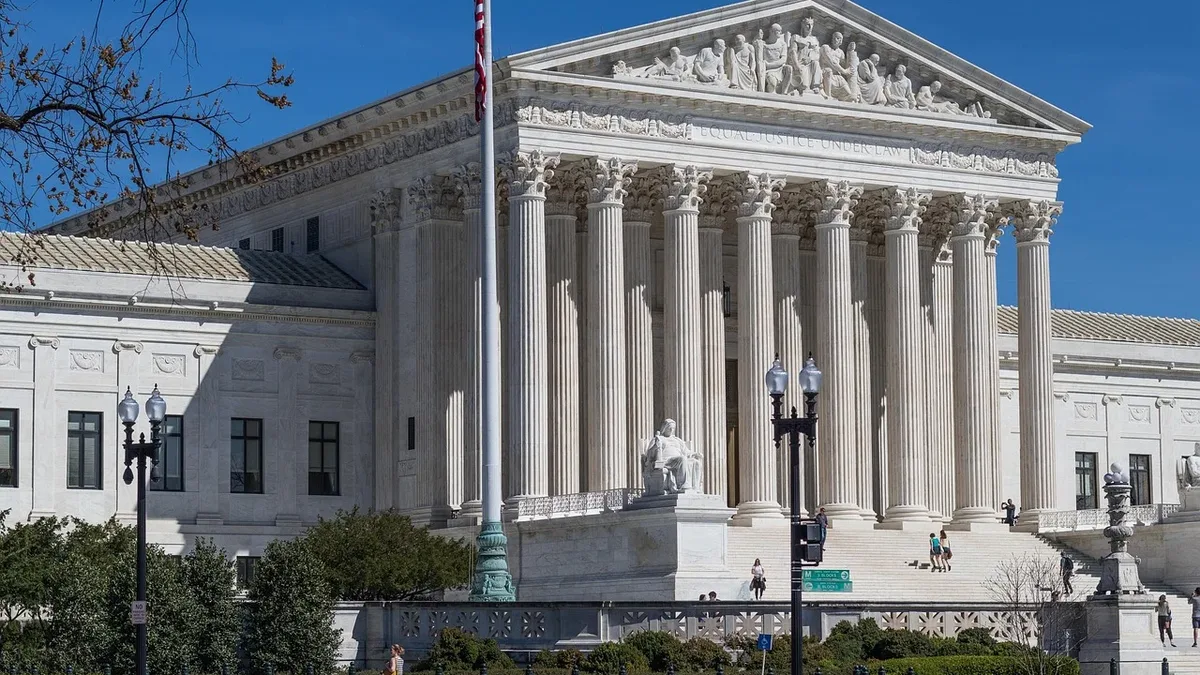
The Trump administration has asked the Supreme Court to freeze a lower court ruling that required continued gender-affirming care for transgender federal inmates. Solicitor General D John Sauer filed the emergency request on a Monday, seeking to let federal prisons restrict hormone therapy and gender-affirming surgery while litigation continues. The Justice Department wants the justices to lift an injunction from U.S. District Judge Royce Lamberth in the class-action case Kingdom v. Trump.
Policy origins and scope
The contested policy originates from an executive order issued by President Donald Trump in January 2025. It directed the Bureau of Prisons to ensure no federal funds are used for medical procedures intended to align an inmate’s appearance with a gender different from their sex at birth. In response, the Bureau issued a policy in February that bars gender-affirming surgeries and generally prohibits new hormone therapy. It also calls for gradually tapering hormones for the more than 600 inmates already receiving them.
The policy further ends social accommodations including makeup, wigs, certain clothing, and hair-removal items. It reversed an earlier approach that allowed treatment for gender dysphoria when clinicians deemed it medically appropriate. The Bureau determined that such interventions could no longer be justified as treatment for the diagnosed condition. Psychotherapy and psychiatric medication, however, remain available.
Legal challenges and judicial response
U.S. District Judge Royce Lamberth, a Reagan appointee, blocked the restrictions. He found the challengers were likely to show the Bureau of Prisons acted unlawfully. His ruling focused on the Administrative Procedure Act, which allows courts to set aside federal agency actions deemed arbitrary and capricious. Judge Lamberth concluded the agency failed to adequately account for its own experience providing gender-affirming care before reversing course. He noted the Bureau does not dispute that gender dysphoria can cause severe side effects like depression, anxiety, and suicidal thoughts.
A divided panel of the U.S. Court of Appeals for the D.C. Circuit refused to suspend Lamberth’s order earlier this month. The majority found the government failed to show a strong likelihood of succeeding in its appeal. The divided panel also questioned the bureau’s reliance on prison security concerns and its consideration of the agency’s record under the earlier treatment rules. Circuit Judge Justin Walker dissented, stating he would have allowed the restrictions to take effect during the appeal.
Impact and opposition
Medical and civil rights groups warn the policy endangers transgender inmates by denying care for gender dysphoria, a recognized clinical diagnosis involving significant distress. American Civil Liberties Union attorneys representing the inmates oppose the administration's request. They argue withholding necessary gender-affirming healthcare constitutes cruel and unusual punishment. An ACLU attorney said the policy is "a direct threat to the well-being of transgender people in federal custody and an open violation of their fundamental rights."
The Trump administration argues the policy was properly adopted and that Judge Lamberth overstepped his authority. Solicitor General Sauer argued the government suffers harm by not being permitted to deny care due to prison administrators’ determination that it is necessary to maintain institutional security. He cited Bureau conclusions that providing greater access raises fairness concerns and breeds resentment among other inmates.
The Supreme Court has previously allowed the Trump administration to proceed temporarily with other policies affecting transgender people. It has permitted the Department of Defense to enforce a ban on transgender service members and the State Department to remove preferred gender markers on passports. Last term, the court also upheld state-level bans on gender-affirming care for minors and on transgender women and girls participating on certain sports teams. Justices have asked lawyers for the transgender prisoners to respond to the government’s latest emergency request by October 8. The Supreme Court will decide whether to grant the Trump administration’s request to enforce the restriction while the underlying litigation continues.