ADHD Linked to 30% Higher CVD Risk
A weekly medical podcast reviews studies on ADHD's link to cardiovascular disease, hospice care disparities, and IV iron for surgical anemia.
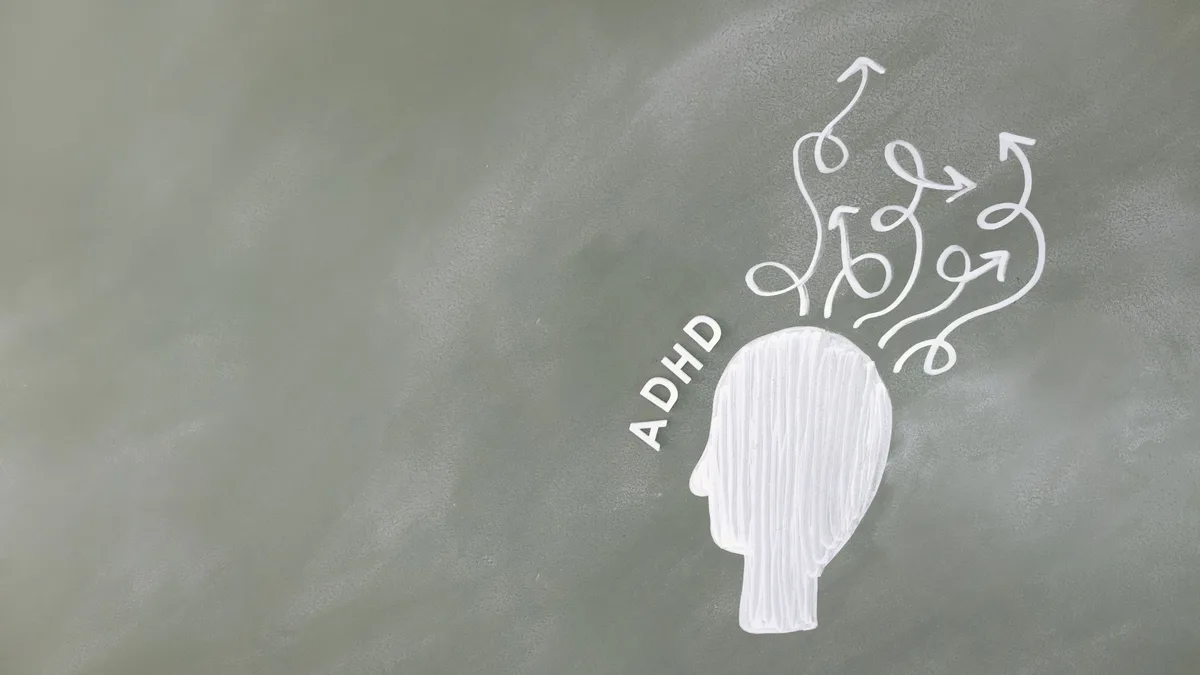
Researchers report that adults with hypertension and attention-deficit/hyperactivity disorder (ADHD) face about a 30% higher risk of cardiovascular disease. This finding was discussed by medical experts Elizabeth Tracey and Rick Lange, MD, on the TTHealthWatch podcast, which reviews top medical stories.
ADHD and Cardiovascular Risk
The podcast highlighted a study examining the association between ADHD and cardiovascular events in people with hypertension. Dr. Rick Lange summarized the core finding, stating the research indicated "about a 30% increase in CVD." The discussion did not specify the exact types of cardiovascular events included in this increased risk estimate. The analysis was part of a broader review of recent medical literature covered in the weekly podcast from Texas Tech.
Hospice Care in Urban vs. Rural Settings
The podcast also examined disparities in end-of-life care. A study in JAMA investigated differences in hospice service provision between rural and urban areas. Previous research had found that rural residents are more likely to die in nursing homes and have less access to paid home caregiving support. The new research letter aimed to compare the length of hospice stay, the care setting, and the number of visits by hospice staff across the rural-urban continuum. The study focused on people aged 66 years or older who had died. Early indications suggested the length of hospice stay was shorter for those in private residences or nursing homes, though the full results were not detailed in the podcast transcript. Elizabeth Tracey noted the research provided "some really good news," suggesting it addressed the known disparity.
IV Iron Before Cardiac Surgery
A third topic involved the use of intravenous iron for patients with anemia before elective cardiac surgery. Between 20% and 50% of cardiac surgery patients require a blood transfusion due to surgical blood loss, with the risk being higher for those who are anemic beforehand. The standard pre-surgical advice is often a month of oral iron, which some patients cannot tolerate. A study in The BMJ tested whether a single dose of IV iron about a month before surgery improved patient outcomes, specifically the number of days spent at home in the 90 days following the procedure.
The study randomized 920 patients undergoing cardiac surgery to receive either IV iron or a placebo. The primary outcome was days alive and out of hospital within 90 days post-surgery.
| Treatment Group | Days at Home (of 90) | Transfusion Rate |
|---|---|---|
| Intravenous Iron | 81 days | 33% |
| Placebo | 80 days | 43% |
The improvement in days at home was minimal. However, the IV iron group was significantly less likely to require a blood transfusion during surgery. The researchers estimated that administering IV iron could save 44 units of blood for every 100 patients undergoing cardiac surgery. Dr. Lange pointed out there was "no downside" observed, with no increased risk of complications or infections from the IV iron infusion. Elizabeth Tracey added that avoiding a transfusion is beneficial, quoting a hematology colleague who likened a blood transfusion to a "liquid transplant."
The podcast began with a discussion on chronic traumatic encephalopathy (CTE) and dementia in former National Football League players, a study also published in The BMJ. Analysis of 338 donated brains from players who died between 2008 and 2021 found 315 had CTE. Among the donors, about 60% had clinician-diagnosed dementia, with onset at an average age of 63.4 years. The experts concluded that while a link between CTE and dementia is apparent, the exact risk level remains difficult to quantify definitively. They advised that the current evidence supports warning individuals that repeated head injury from sports like football "might result in an increased rate" of CTE, dementia, and early death.