Dog Aging Project finds shared biomarkers of lifespan
Researchers with the Dog Aging Project have identified metabolic patterns in dogs' blood linked to lifespan that closely resemble those found in humans.
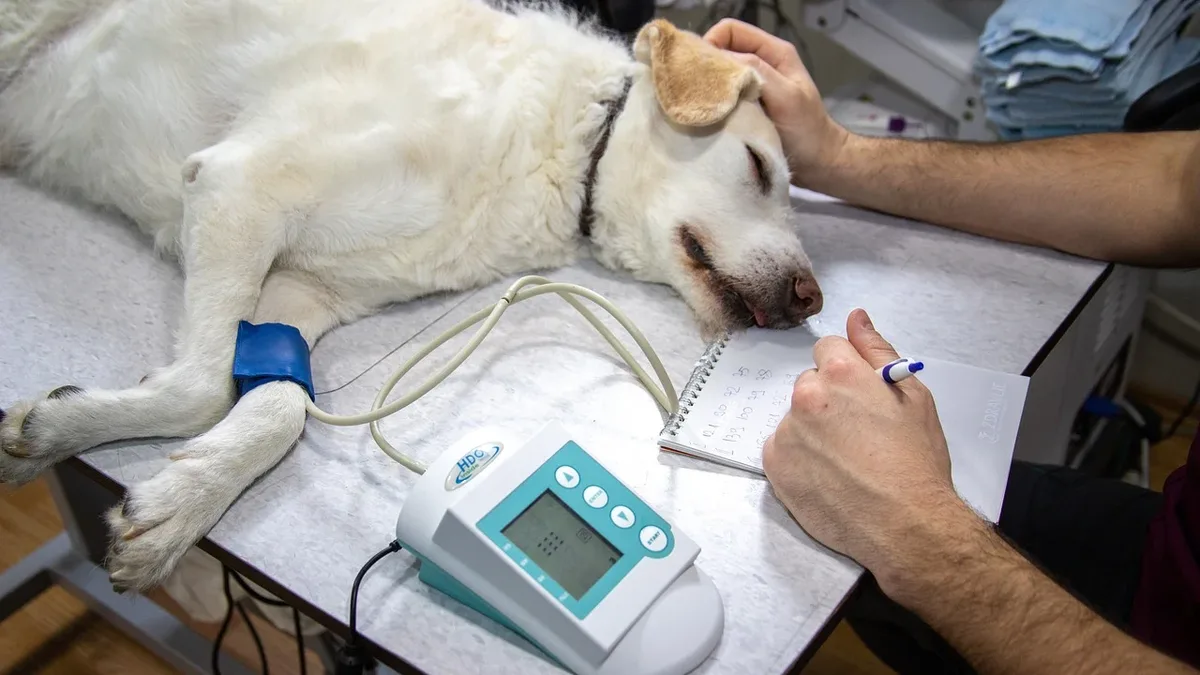
Dogs and humans share similar biological patterns linked to lifespan, according to new research from the Dog Aging Project published in The Journals of Gerontology. The study found that certain combinations of metabolites, small molecules created by the body's processes, were associated with earlier or later death in dogs in ways that closely mirrored patterns previously identified in people.
"The molecules that are risky for dogs or protective against a sooner death are very similar to those in people, showing that we share important features of aging biology," said Dr. Kate Creevy, chief veterinary officer for the Dog Aging Project and a professor at the Texas A&M College of Veterinary Medicine and Biomedical Sciences. The work is supported by the WoodNext Foundation. Creevy highlighted the value of pet dogs as a model for studying long-term health and lifespan.
Searching for Biological Signs of Lifespan
Metabolites provide a snapshot of cellular activity, making them useful for detecting biological patterns connected to health and aging. For this study, researchers analyzed blood samples from dogs participating in the Dog Aging Project, a community science effort that follows dogs throughout their lives with owners contributing survey information and physical samples. The team examined metabolic patterns associated with lifespan, using mortality as a clear endpoint.
"Death is an easy outcome to understand," Creevy said. "It is very easy to tell when a person or a dog has died, whereas other features of aging health are a bit more nuanced." Using this endpoint allows scientists to work backward to investigate contributing biological processes like metabolism, inflammation, and cellular stress. "If we understand why something happened, we have a greater chance of identifying ways to change it," Creevy added.
A Metabolic Fingerprint of Aging
The researchers analyzed thousands of metabolites together to look for larger patterns associated with risk, rather than focusing on individual molecules. Creevy said these broader groups, which some colleagues refer to as a "fingerprint," can reveal more about cellular processes than any single molecule alone.
These measurable biological indicators, known as biomarkers, help estimate the likelihood of certain health outcomes by revealing internal changes. "Importantly, those biomarkers do not necessarily cause an outcome; when we find a biomarker associated with sooner or later mortality, we don't know that it's causing it," Creevy explained. "But if we understand why that biomarker is present, we may be able to identify what the cause of the relationship is." Finding these patterns gives scientists starting points for investigating aging mechanisms and identifying potential biological targets to improve health over time.
Dogs and Humans Share Similar Aging Signals
The researchers compared their canine results with five large published studies of human mortality that used similar methods to examine metabolites. Across those studies, the signals associated with earlier or later death were broadly similar to those found in dogs.
That consistency was a striking result, adding evidence that dogs and humans share important features of the biology underlying aging. "Frequently, we know a little more about this in people than we do in dogs," Creevy said. "If we have the same targets, we'll be able to leverage human research to benefit dogs." The similarities could allow scientists to use existing human research to improve canine health while also using dogs to study aging across an entire lifespan.
Why Dogs Are Valuable for Aging Research
Pet dogs offer several advantages for aging research. They share many aspects of everyday life with humans, including surroundings, diets, and activity patterns. This overlap lets scientists examine how lifestyle and environment affect long-term health.
"One of the things we like most about learning from dogs as it pertains to aging is their widely varied lifestyles that mirror their owners' lifestyles in a way that's less true for other companion animals," Creevy said. Dogs are more likely to follow the routines of their owners compared to more independent animals like cats.
Their shorter lifespans provide another major advantage. Humans, on average, live into their 70s, while dogs typically live only 12-13 years. This difference allows researchers to observe aging and lifespan outcomes in dogs much more quickly than in human studies.
The research was made possible by the Dog Aging Project, a nationwide, long-term study following pet dogs living with owners across the United States. Owners provide extensive information about their dogs' lives, with a subset submitting biological samples annually. "The owners who enroll their dogs make everything possible," Creevy said. "The dedication and commitment of these owners to participate in research and discovery to better the health of dogs is remarkable."
Creevy called the findings an early but important step. Researchers have now identified metabolic patterns associated with lifespan, giving them specific biological signals to investigate further. "This is a starting point," she said. "We've identified these metabolites, and now we know where to start looking."
For dog owners, Creevy said the practical message is straightforward. Many behaviors that promote healthier aging in people are also likely to benefit dogs. "Keeping them on a healthy diet, at a healthy body weight, and preserving mobility and cognitive health -- just like we would do for ourselves," Creevy said. "What's good for us is probably good for them."