Study: Physical Exams Unreliable for Child Pneumonia
A national study published in August 2026 found that doctors often disagree on lung sounds when examining children for pneumonia.
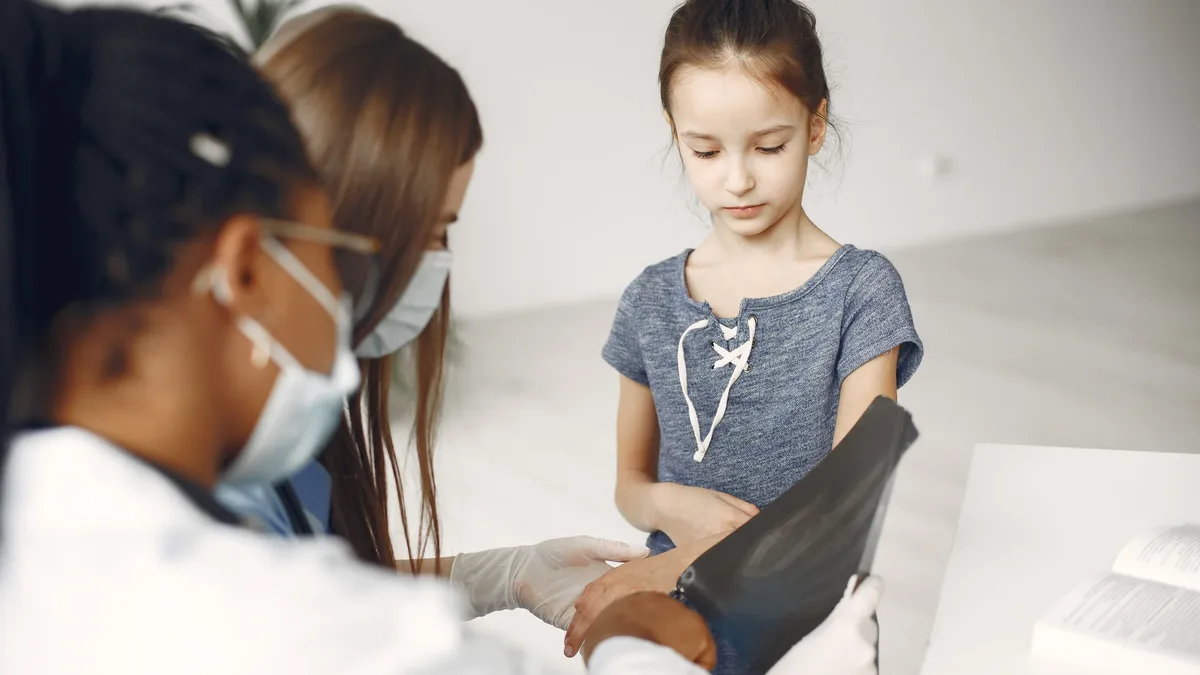
A national study published on August 20, 2026, in JAMA Network Open has found that physical examinations may not reliably diagnose pneumonia in children. The research, led by physician-scientists from Ann & Robert H. Lurie Children's Hospital of Chicago and the Pediatric Emergency Care Applied Research Network (PECARN), indicates that doctors frequently disagree on key lung findings when examining the same child.
Pneumonia is a common respiratory infection in children, responsible for nearly 2 million outpatient visits and 375,000 emergency department visits annually in the United States. Current guidelines recommend diagnosis based on symptoms and physical exam, without routine chest X-rays, for otherwise healthy children who can be treated at home. However, this new study challenges the reliability of that approach.
Doctors Did Not Hear the Same Sounds
The study involved 252 children, aged 3 months to 17 years, who were diagnosed with pneumonia at one of seven pediatric emergency departments. Each child was examined by two different doctors within an hour. The physicians independently recorded their physical exam findings.
Researchers found that doctors often disagreed about common lung sounds used to identify pneumonia. These included crackles, decreased breath sounds, and rhonchi. Wheezing and signs of increased work of breathing were more consistently identified but still did not meet the study's standard for strong agreement.
"The results showed that several findings traditionally considered important, such as decreased breath sounds and crackles, were identified inconsistently between emergency department providers," said study author Shubhada Hooli, MD, MPH, of Baylor College of Medicine. The inconsistency was similar for children sent home and those admitted to the hospital.
The Need for Better Diagnostic Tools
Principal investigator Todd Florin, MD, MSCE, of Lurie Children's Hospital, stated that while doctors rely heavily on the stethoscope, two doctors can examine the same child and come away with different findings. This inconsistency makes diagnosing pneumonia challenging and points to a need for better tools.
Accurate diagnosis is critical. A wrong diagnosis can mean a child receives unnecessary antibiotics or misses needed treatment. The study notes that about two-thirds of children with community-acquired pneumonia experience side effects from antibiotics. Better diagnostic methods could help target antibiotic use more precisely.
The researchers suggest that more objective tools could lead to more consistent diagnoses. Potential future tools include electronic stethoscopes that record sounds, computer programs to analyze those recordings, improved imaging techniques, and biomarker tests. Florin emphasized that the stethoscope will remain important, but supplemental tools are needed to improve accuracy and consistency, helping to avoid unnecessary antibiotics while ensuring children with pneumonia get proper treatment. The study was conducted through the PECARN network.