Enduring NMDA Receptor Encephalitis: A Complex Condition
Researchers have made significant progress in understanding N-methyl-D-aspartate receptor (NMDAR) encephalitis, a condition characterized by widespread neuropsychiatric symptoms. A recent study has shed light on the structural brain changes and clinical outcomes of patients with NMDA receptor encephalitis in Germany.

The groundbreaking discovery of N-methyl-D-aspartate receptor (NMDAR) encephalitis almost 20 years ago has raised questions about the traditional distinctions between neurological and psychiatric illness. This condition is characterized by a psychotic onset, symptomatic treatments that do not behave as expected, severe illness, and often unremarkable structural brain MRI. However, substantial recovery is often possible.
A biologically reductive explanation centered on specific antibodies binding to NMDARs has been proposed to explain the apparent paradoxes of this condition. Immunotherapies directed at modifying immune pathobiology can expedite recovery by disrupting the cascade leading to the production of pathogenic antibodies, allowing brain function to recover.
Recent studies have focused on the appreciation of clinical symptoms and impairment beyond acute recovery, and how this fits into the antibody-based paradigm. A key theme in current clinical research has been the understanding of the long-term outcomes and improvement after first-line immunotherapy in patients with anti-NMDAR encephalitis.
Structural Brain Changes and Clinical Outcomes
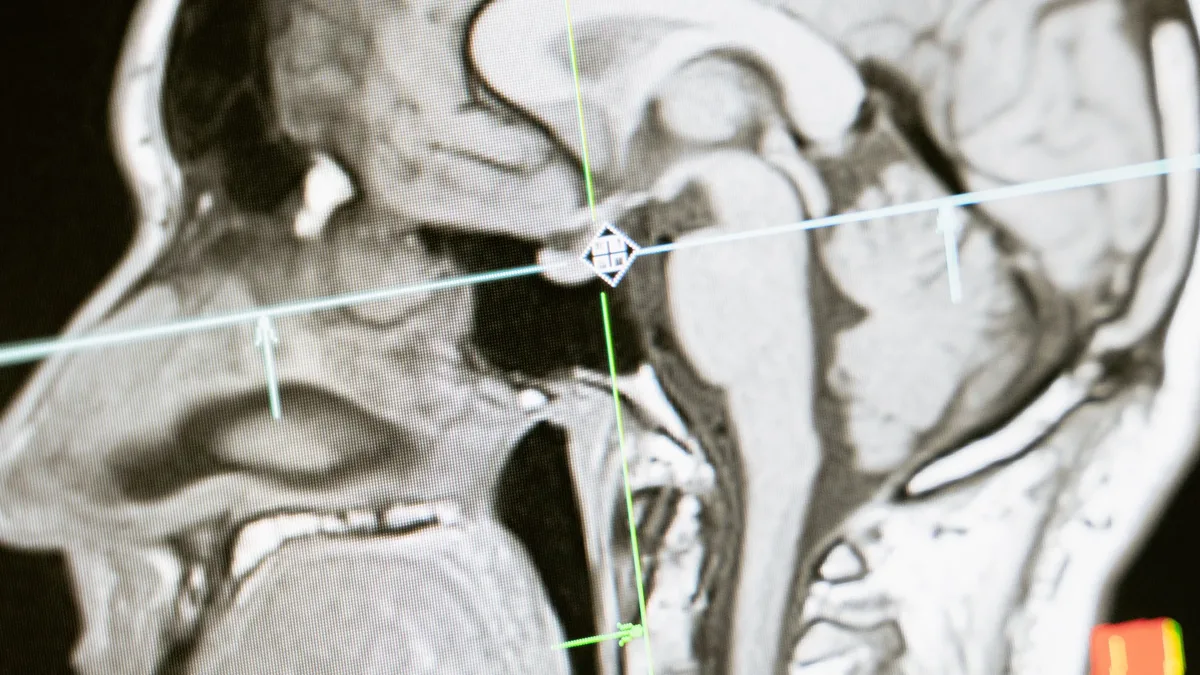
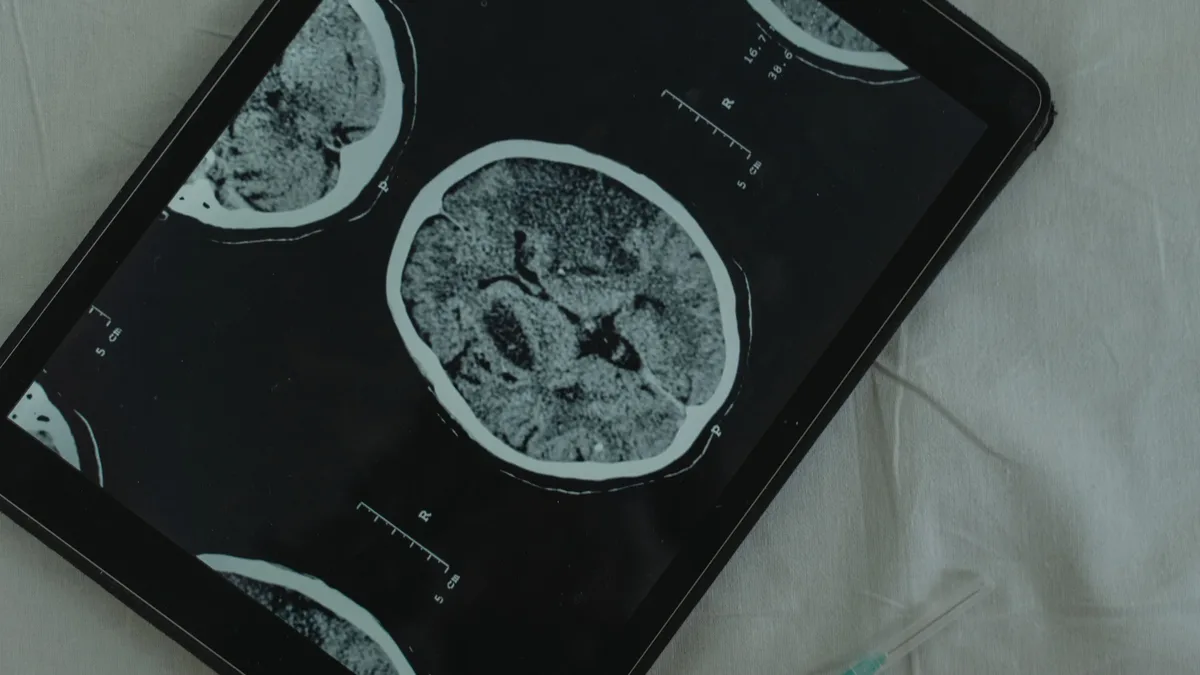
A cross-sectional study conducted in Germany has investigated the structural brain changes and clinical outcomes of patients with NMDA receptor encephalitis. The study found that patients with NMDA receptor encephalitis exhibited significant structural brain changes, including reduced gray matter volume and altered white matter integrity.
Long-Term Outcomes and Improvement
The study also found that patients with NMDA receptor encephalitis had improved long-term outcomes and improvement after first-line immunotherapy. The NEOS2 score, a predictive tool for long-term outcomes and improvement after first-line immunotherapy, was used to assess the patients' outcomes.
| Study | NEOS2 Score | Long-Term Outcomes |
|---|---|---|
| Brenner et al. (2025) | Improved long-term outcomes and improvement after first-line immunotherapy | |
| Hansen et al. (2013) | Persistent intrathecal antibody synthesis 15 years after recovering from anti-N-methyl-D-aspartate receptor encephalitis |
Clinical Characterization of Patients
A prospective cohort study has characterized patients in the post-acute stage of anti-NMDA receptor encephalitis. The study found that patients with anti-NMDA receptor encephalitis exhibited similar clinical characteristics to patients with schizophrenia spectrum disorders.
| Study | Clinical Characteristics |
|---|---|
| Guasp et al. (2022) | Similar clinical characteristics to patients with schizophrenia spectrum disorders |
Conclusion
N-methyl-D-aspartate receptor (NMDAR) encephalitis is a complex condition characterized by widespread neuropsychiatric symptoms. Recent studies have shed light on the structural brain changes and clinical outcomes of patients with NMDA receptor encephalitis. Immunotherapies directed at modifying immune pathobiology can expedite recovery by disrupting the cascade leading to the production of pathogenic antibodies, allowing brain function to recover. Further research is needed to understand the long-term outcomes and improvement after first-line immunotherapy in patients with anti-NMDAR encephalitis.