Survey: Most Older Americans Would Take a Dementia Vaccine
A new survey finds 72% of Americans aged 50 and older would likely or definitely accept a hypothetical vaccine that could cut dementia risk by 50%.
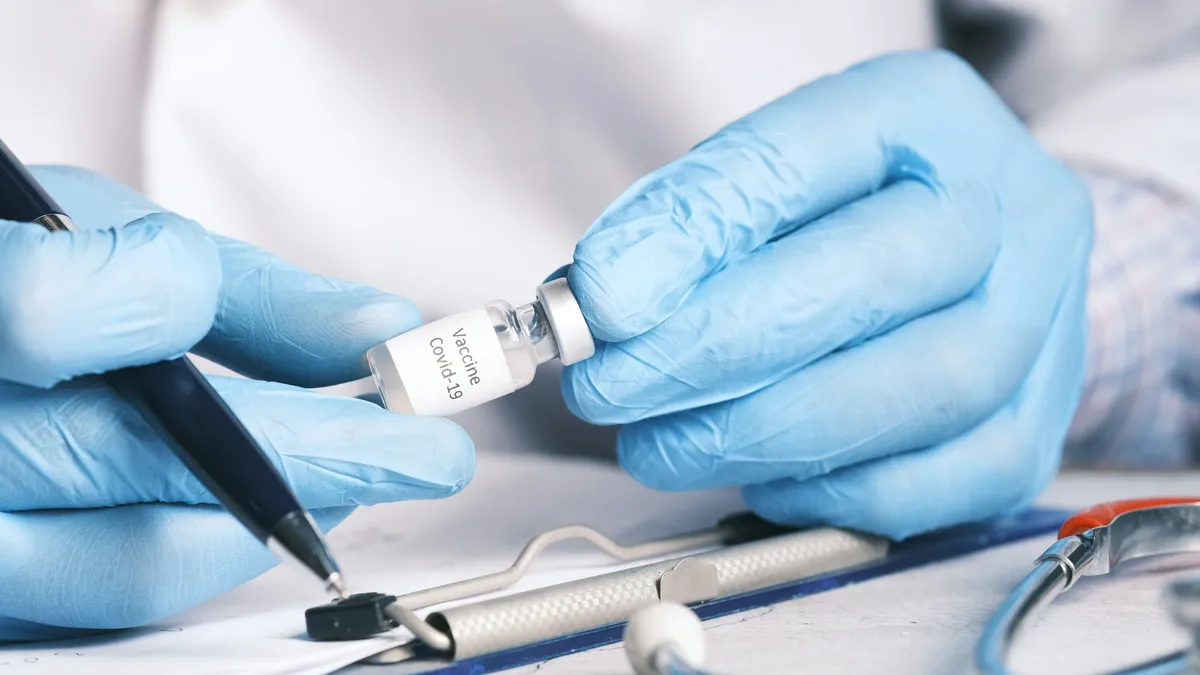
Nearly three-quarters of Americans aged 50 and older say they would accept a vaccine to prevent dementia, according to new survey data. The research asked about a hypothetical, low-cost vaccine that could reduce dementia risk by half for those at high risk.
J. Felipe Montano-Campos, PhD, of the University of Southern California, and colleagues reported that 72.1% of respondents were likely or definitely interested. One-fifth of those surveyed, 20.8%, were unsure, while 7.2% said they likely or definitely would not get the shot.
Vaccine Hesitancy Varies by Group
Interest was not uniform across demographic groups. Women expressed more hesitation than men, with 23.0% of women uncertain or opposed compared to 18.5% of men. Women were also less likely to give a definitive "yes"than men. Black adults showed the highest levels of hesitation among racial groups surveyed."Older adults are highly interested in receiving a preventive dementia vaccine, while relatively few are opposed," Montano-Campos said in a statement. "As vaccine options emerge, efforts may be needed to address hesitancy among some groups, including those at higher risk for dementia."
Factors Linked to Willingness
Several factors were associated with a greater willingness to receive the vaccine. People with higher incomes and those holding a college degree or higher were more willing than others. Respondents who reported that they or someone close to them had dementia were also more inclined to say yes.
Definite acceptance of the vaccine increased slightly with age. It ranged from 31.1% among people aged 50-59 to 35.1% for those 70 and older.
The Search for Preventive Options
No vaccine is currently approved to prevent dementia. The survey question was based on a hypothetical product. However, research into preventive strategies is active.
Some studies have observed links between existing shingles vaccinations and a lower dementia risk. Research in Wales found a 20% lower dementia risk associated with an older shingles vaccine. A study of Medicare beneficiaries linked the current shingles shot, Shingrix, to a 33% lower risk of any dementia type.
Last year, a study of two different vaccines that use a specific immune-stimulating adjuvant was linked to a lower incidence of dementia. That finding has led some researchers to speculate the adjuvant may play a role.
Montano-Campos and co-authors noted that several preventive strategies, including immunotherapies and vaccine-based approaches aimed at delaying or reducing Alzheimer's risk, are under development.
The survey involved 1,529 adults from the nationally representative Understanding America Study panel. The researchers acknowledged that using hypothetical scenarios may not fully capture real-world clinical decision-making. They concluded that their findings highlight the need for targeted communication to ensure equitable uptake if such vaccines become available.