Federal Policy Complicates Efforts to Combat Opioid Crisis
A new federal policy may hinder organizations' ability to distribute test strips that identify adulterants in street drugs, potentially increasing overdose rates.
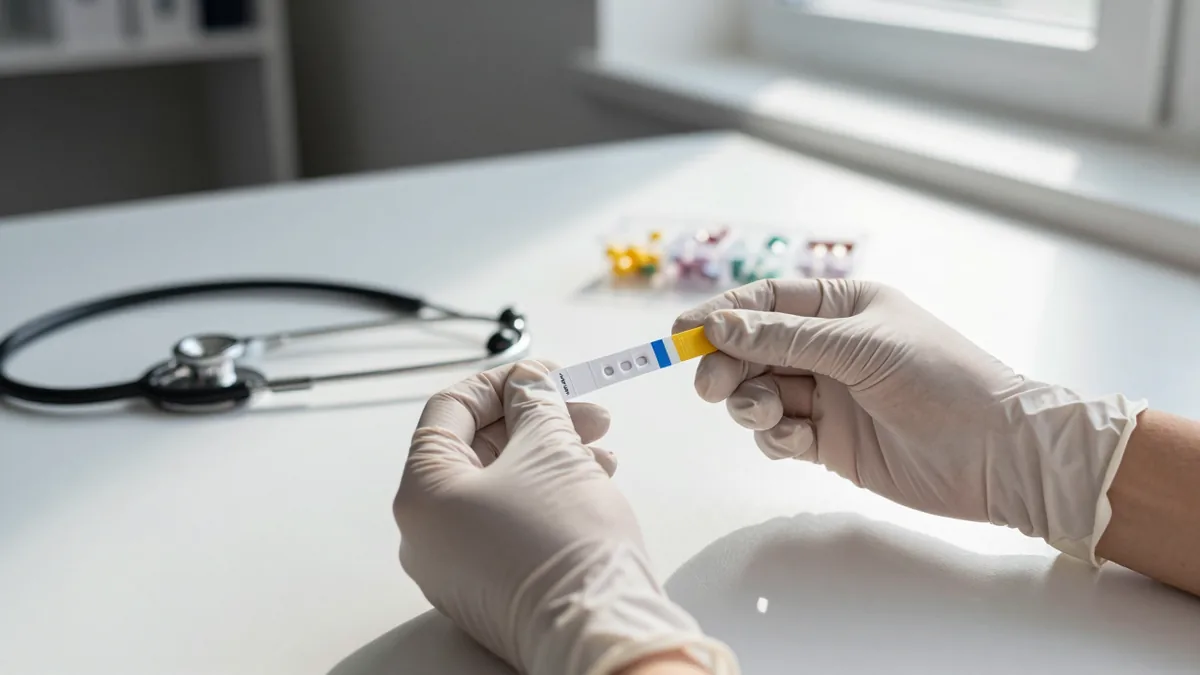
A recent federal policy has raised concerns among organizations working to combat the opioid crisis. The Substance Abuse and Mental Health Services Administration (SAMHSA) has banned the use of federal grants for distributing test strips to the public, which can identify adulterants in street drugs.
These test strips have been used for nearly 10 years to identify substances such as fentanyl, xylazine, and medetomidine. Organizations like the Baltimore Harm Reduction Coalition have distributed them at clinics and neighborhood events, allowing individuals to test their drugs before use.
According to Candy Kerr, a spokesperson for the coalition, the test strips give people the option to "move slower" if they are going to use drugs. This can help prevent overdoses, which have dropped more than 40% in Baltimore since 2023.
However, the new policy may hinder the coalition's ability to distribute the test strips. Under the policy, nonprofits will still be able to hand out test strips, but they will have to find other funding for that work.
Test Strips: A Lifesaving Tool
Test strips have been credited with saving lives by identifying adulterants in street drugs. They can detect substances such as fentanyl, xylazine, and medetomidine, which can be deadly when combined with other substances.
The Baltimore Harm Reduction Coalition has been distributing test strips for nearly a decade. They have been available at no cost and can be found in bars and on street corners.
The Impact of the New Policy
The new policy may have a significant impact on organizations working to combat the opioid crisis. The Substance Abuse and Mental Health Services Administration (SAMHSA) has banned the use of federal grants for distributing test strips to the public.
This policy change has been met with concern from organizations like the Baltimore Harm Reduction Coalition. They believe that the test strips are a lifesaving tool and that the new policy may increase overdose rates.
According to Yngvild Olsen, MD, MPH, who oversaw SAMHSA's Center for Substance Abuse Treatment, there is a substantial body of evidence that shows giving test strips to people who use drugs can change behavior.
"There's some people deciding not to use the substances, some people deciding to reduce, to use less, or take other types of precautions, including naloxone, and making sure that there are people around that can actually then help in the case of an overdose," Olsen said.
However, the Trump administration believes that harm reduction practices like distributing test strips "facilitate illicit drug use and are incompatible with Federal laws." They want to focus more on other techniques, such as giving out naloxone, the overdose reversal drug available as a nasal spray.
The new policy does not prohibit federal funds from being used to purchase test strips for use by law enforcement officers, public health officials, EMTs, or other medical professionals. This creates an important exception for government agencies that test drugs and send out regular reports on what adulterants are saturating the drug supply in certain locations.
However, organizations like the Baltimore Harm Reduction Coalition will have to find other funding for their work. They may have to cut back on services such as giving out hygiene and wound care kits.
"We've been making these strides forward because we've had these things, because we've been funded," said Candy Kerr. "We're going to have to pull money from other places."
The new policy has raised concerns among organizations working to combat the opioid crisis. They believe that the test strips are a lifesaving tool and that the new policy may increase overdose rates.