Eating disorders
This page is reference information compiled from the cited sources. It is not medical advice. For any decision about health, diagnosis or care, consult a qualified professional.
What it is
An eating disorder (ED) is a mental disorder defined by abnormal eating behaviors that adversely affect a person's physical or mental health. These behaviors may include eating too much food or too little food, as well as body image issues. Types of eating disorders include anorexia nervosa, bulimia nervosa, binge eating disorder, pica, rumination syndrome, avoidant/restrictive food intake disorder (ARFID), and a group of other specified feeding or eating disorders. Anorexia nervosa is the restriction of energy intake leading to significantly low body weight, accompanied by an intense fear of gaining weight. Bulimia nervosa is characterized by recurrent binge eating followed by compensatory behaviors such as purging, while body weight is maintained at or above a minimally normal level. Binge eating disorder is characterized by recurrent episodes of binge eating without the use of inappropriate compensatory behaviors. Pica is the persistent eating of nonnutritive, nonfood substances. Rumination disorder encompasses the repeated regurgitation of food. Avoidant/restrictive food intake disorder (ARFID) is a feeding or eating disturbance that prevents one from meeting nutritional energy needs, without a disturbance in body image.
Key facts
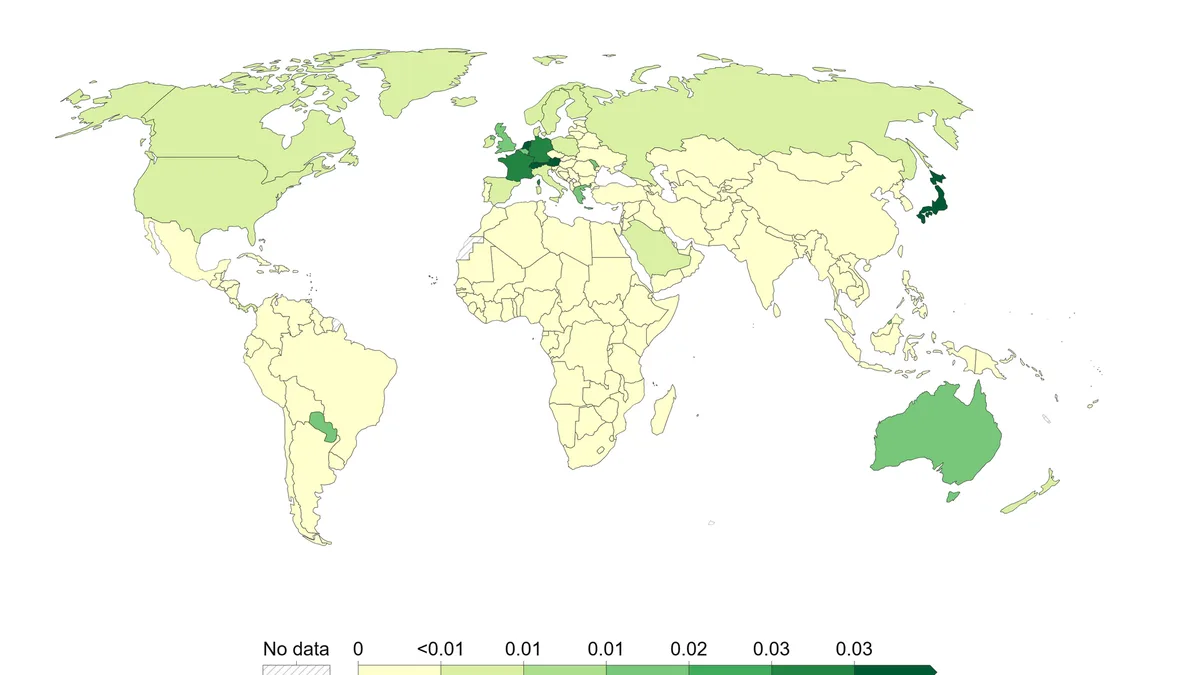
Anxiety disorders, depression and substance abuse are common among people with eating disorders. These disorders do not include obesity. People often experience comorbidity between an eating disorder and OCD. The causes of eating disorders are not clear, although both biological and environmental factors appear to play a role. Cultural idealization of thinness is believed to contribute to some eating disorders. Individuals who have experienced sexual abuse are also more likely to develop eating disorders. Some disorders such as pica and rumination disorder occur more often in people with intellectual disabilities. In the developed world, anorexia nervosa affects about 0.4% and bulimia affects about -1.3% of young women in a given year. Binge eating disorder affects about 1.6% of women and 0.8% of men in a given year. Anorexia nervosa and bulimia occur nearly ten times more often in females than males. The typical onset of eating disorders is in late childhood to early adulthood. About 70% of people with anorexia nervosa and 50% of people with bulimia recover within five years. Only 10% of people with eating disorders receive treatment. Both anorexia nervosa and bulimia nervosa increase the risk of death.
When to seek professional help
Treatment can be effective for many eating disorders. Treatment varies by disorder and may involve counseling, dietary advice, reducing excessive exercise, and the reduction of efforts to eliminate food. Medications may be used to help with some of the associated symptoms. Hospitalization may be needed in more serious cases. The source indicates that professional care is associated with the situations of having an eating disorder, as treatment is described for these conditions. The source describes that only 10% of people with eating disorders receive treatment, and of those, approximately 80% do not receive the proper care. Many are sent home weeks earlier than the recommended stay and are not provided with the necessary treatment.
Source: Eating disorder (CC BY-SA 4.0 (Wikipedia)), retrieved 2026-09-02.
Latest reporting

Reclassifying Muscle Dysmorphia to Improve Care for Boys and Men
Muscle dysmorphia, a condition characterized by a hyperfixation on building muscles, is often overlooked in boys and men, despite being a significant...

Increased Risk of Psychiatric Disorders in IBD Patients
A Swedish cohort study found that patients with inflammatory bowel disease (IBD) are at increased risk for several psychiatric disorders both before...
Looksmaxxing Apps: A Growing Threat to Adolescent Mental Health
The rise of looksmaxxing apps, which use AI to score facial attractiveness, is raising concerns among mental health professionals. These apps...